Learn
Training that helps you stay strong, athletic, and hard to break.

Training that helps you stay strong, athletic, and hard to break.
The Hard to Break exercise list and the Thrive Standards. Find your weak links, then train them.
Most weeks, I’ll also send you one email on strength, durability and how to keep training for decades.
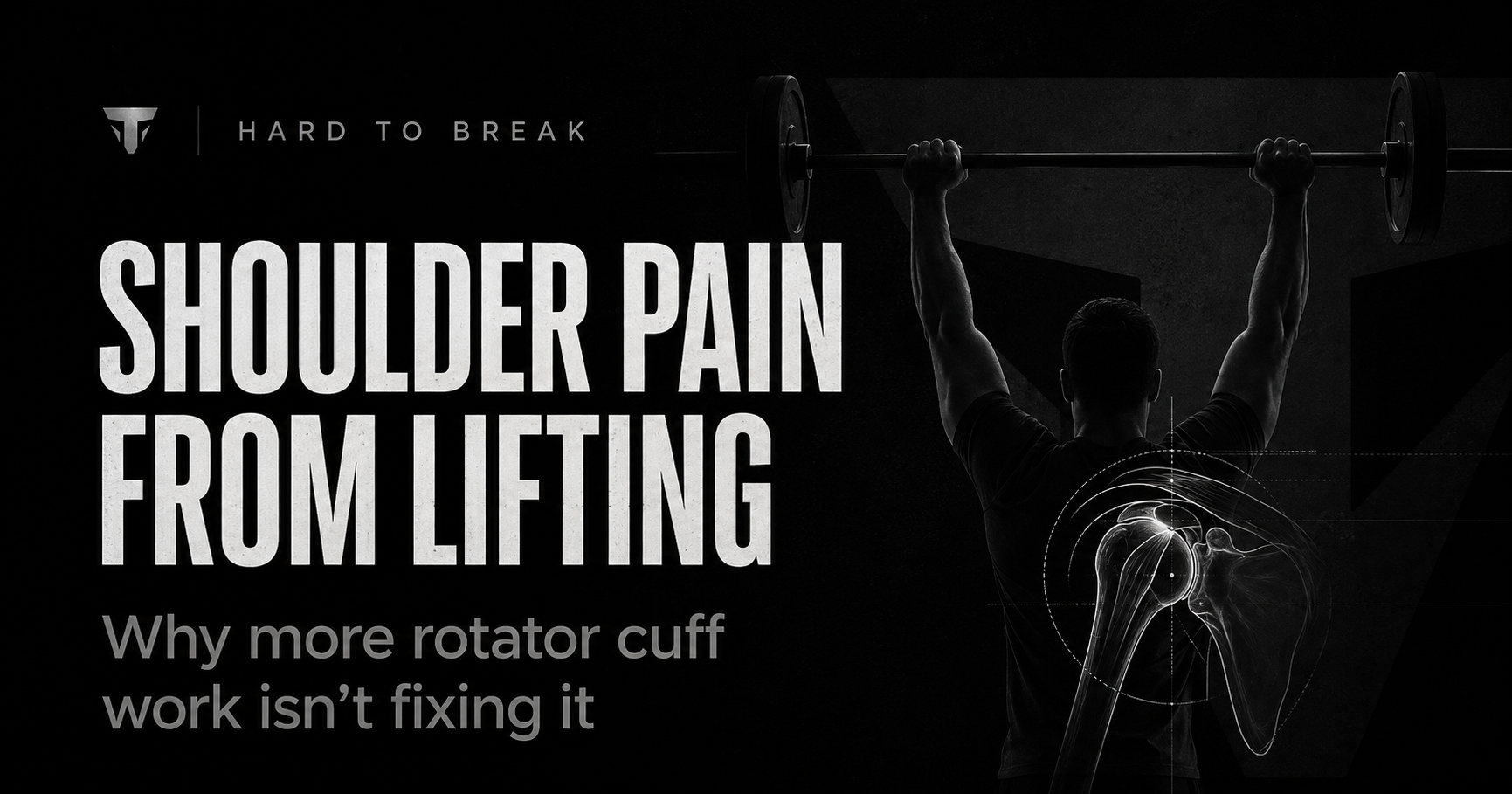
If your shoulder keeps getting irritated when you press, and rotator cuff exercises only ever help for a little while, the problem is usually not the cuff.
Read more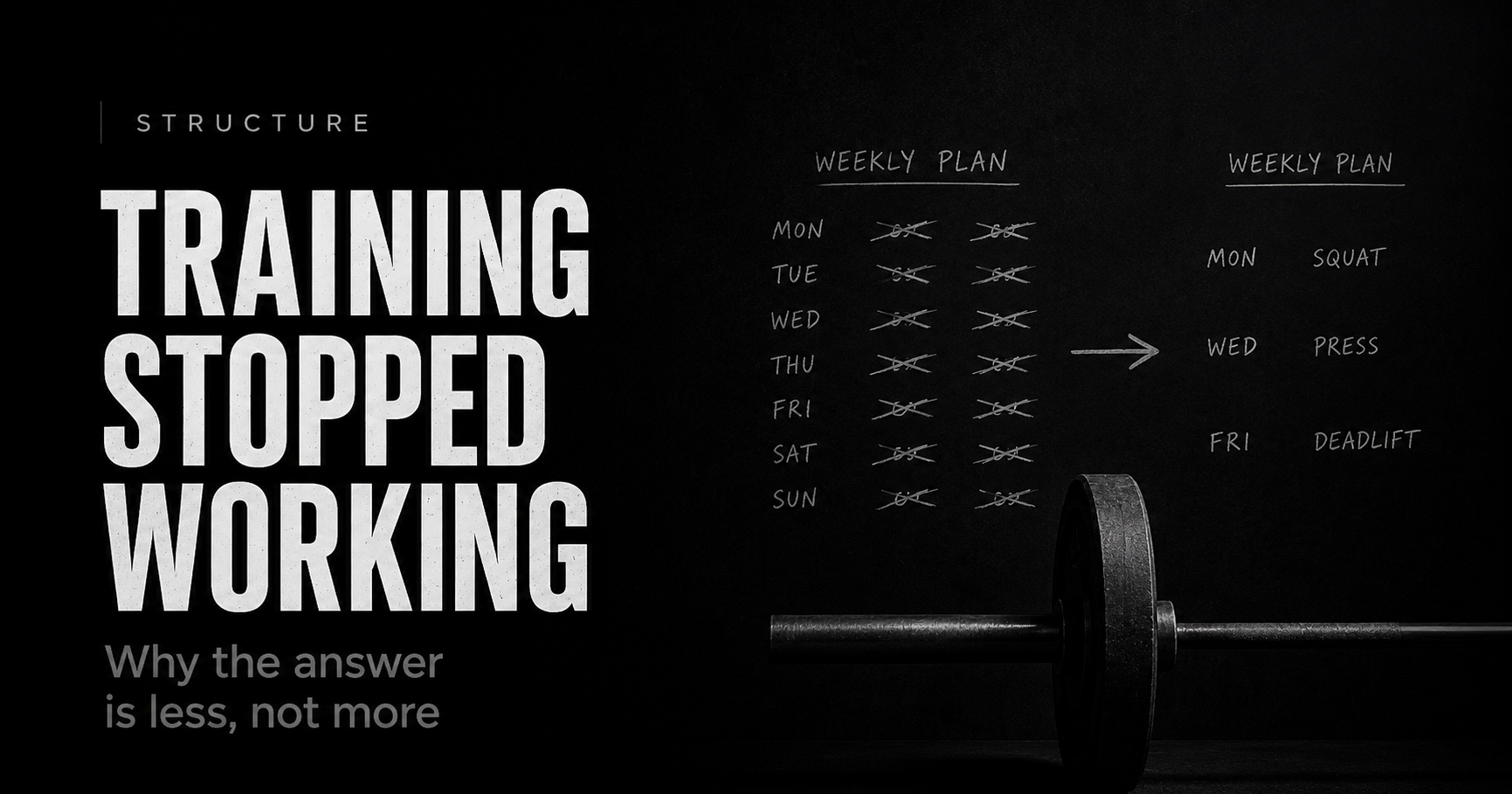
When progress stalls, almost everyone adds. Another day, another exercise, more sets, more intensity. But a stalled program is usually not suffering from too little work.
Read more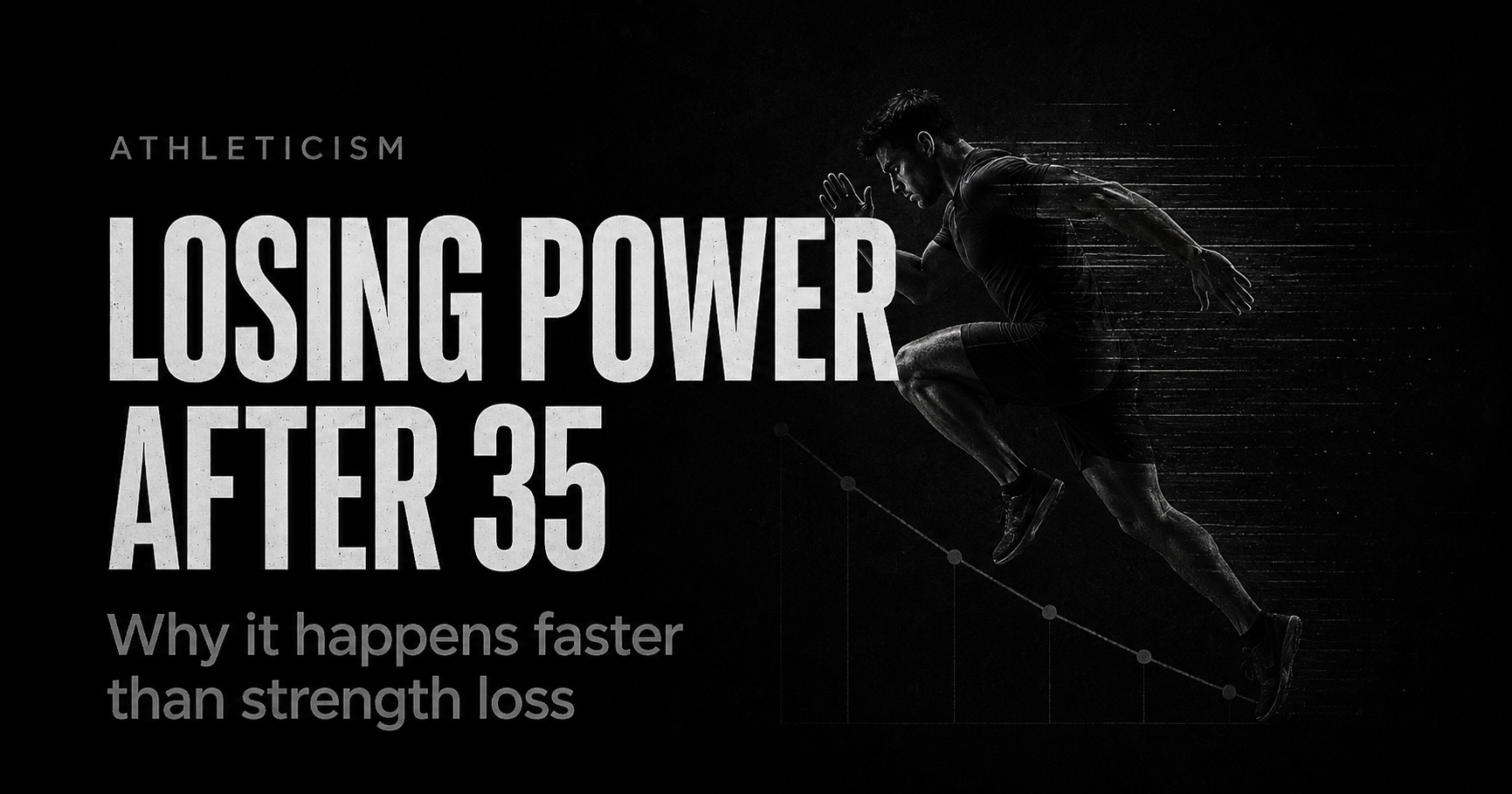
Adults lose power years before they lose strength, and they lose it quietly. Power is how fast you can produce force: jumping, sprinting, catching yourself, changing direction.
Read more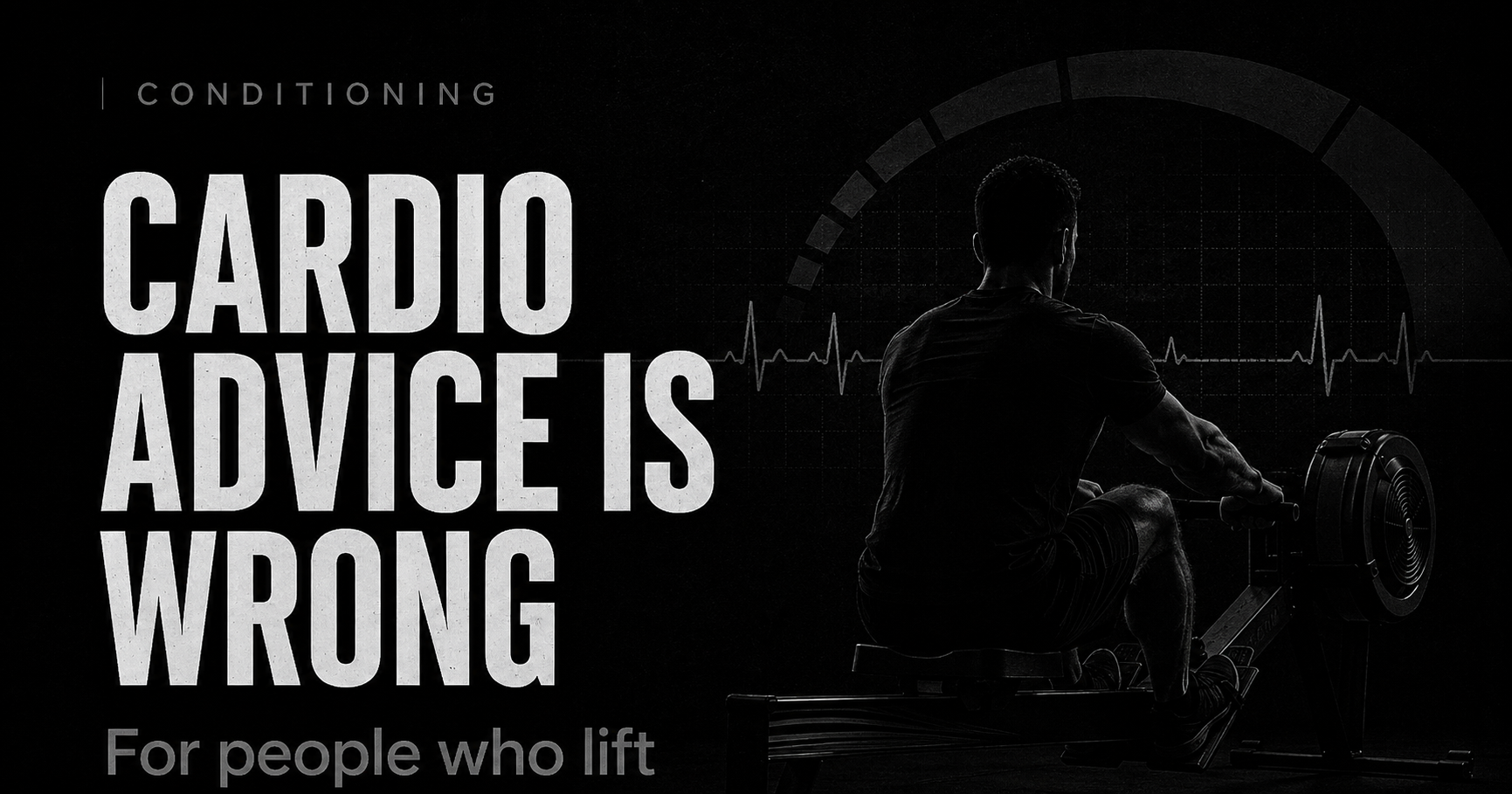
Most cardio advice is written for people whose main goal is cardio. If your main goal is strength, following that advice costs you both.
Read more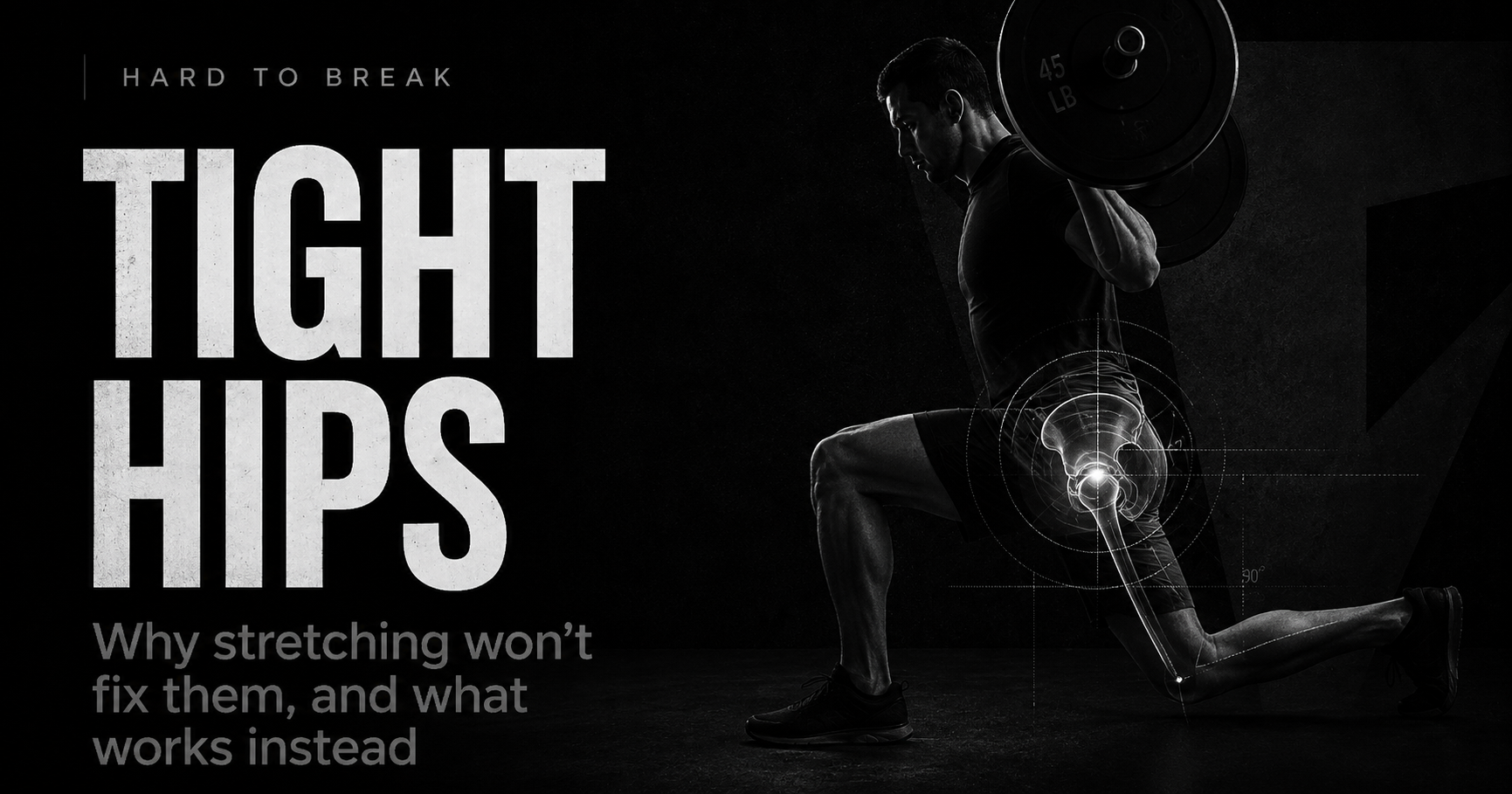
If your hips always feel tight, and years of stretching has never actually changed that, you are probably not dealing with short muscles.
Read more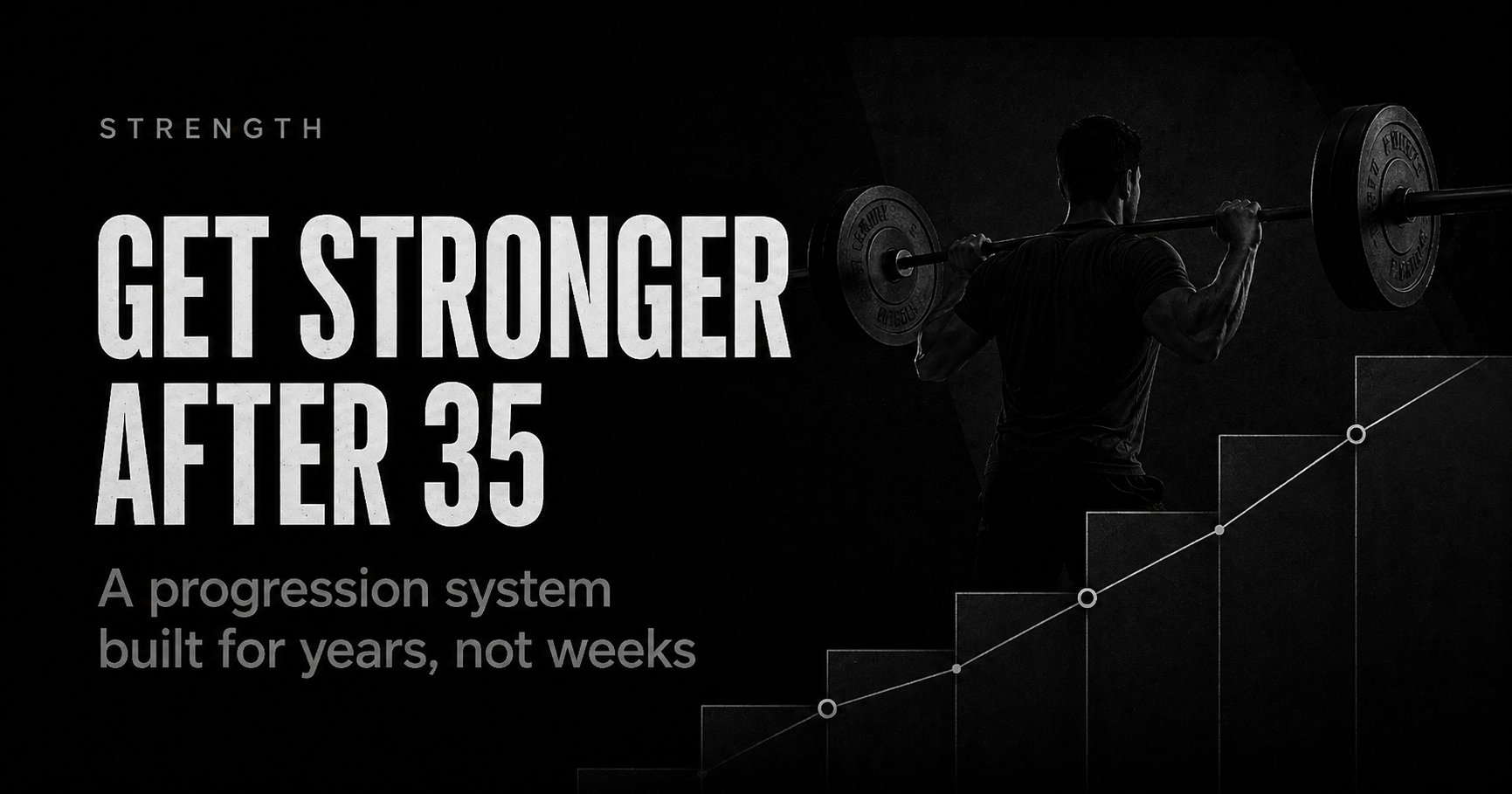
Getting stronger for years, not weeks, doesn't come from finding the right program. It comes from a system with four parts: anchor lifts, top sets, back off work, written progression rules, and earned load.
Read more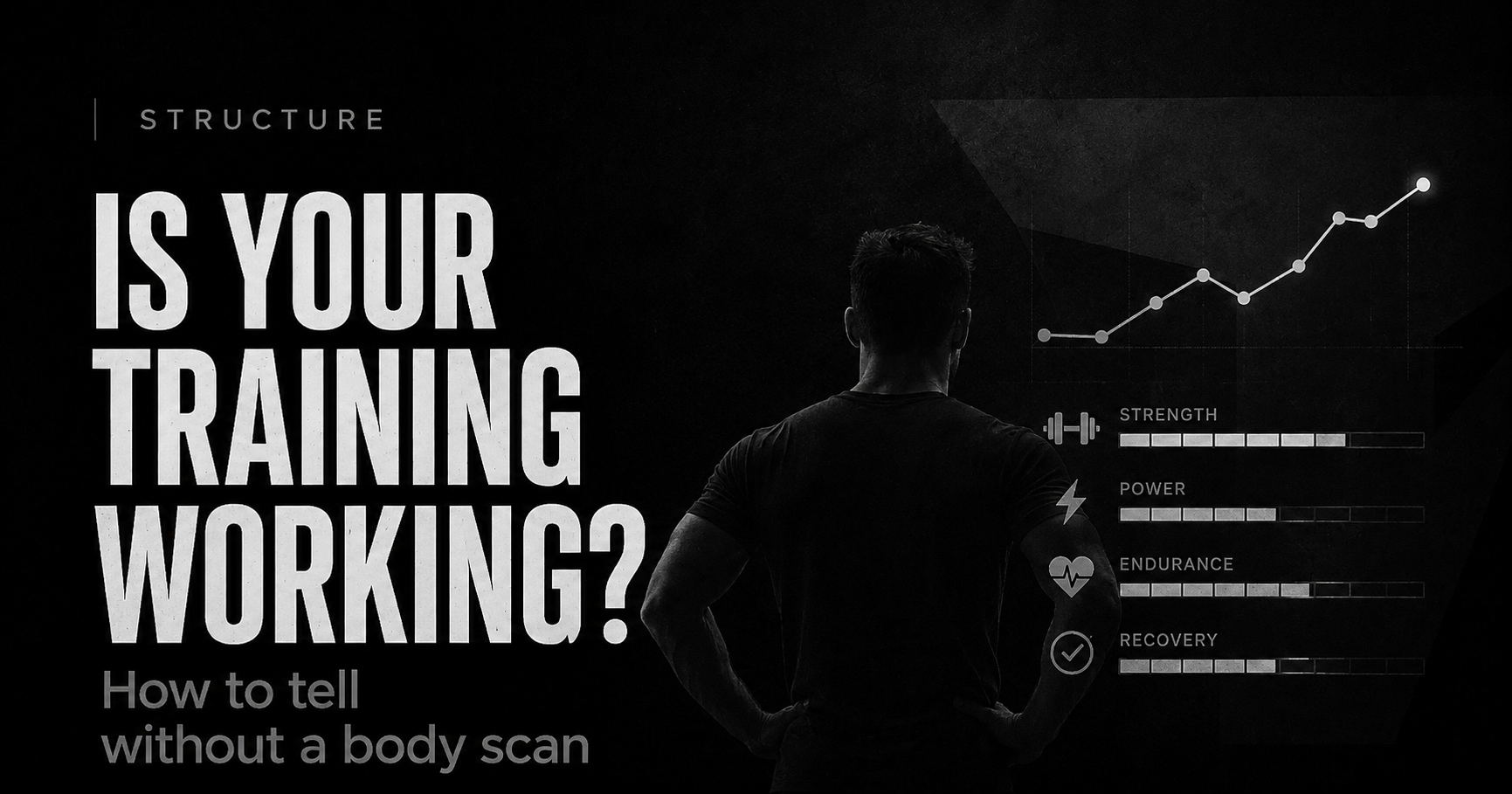
Body composition machines disagree with each other about the same body in the same week, so if your confidence rises and falls with a printout, you are measuring noise.
Read more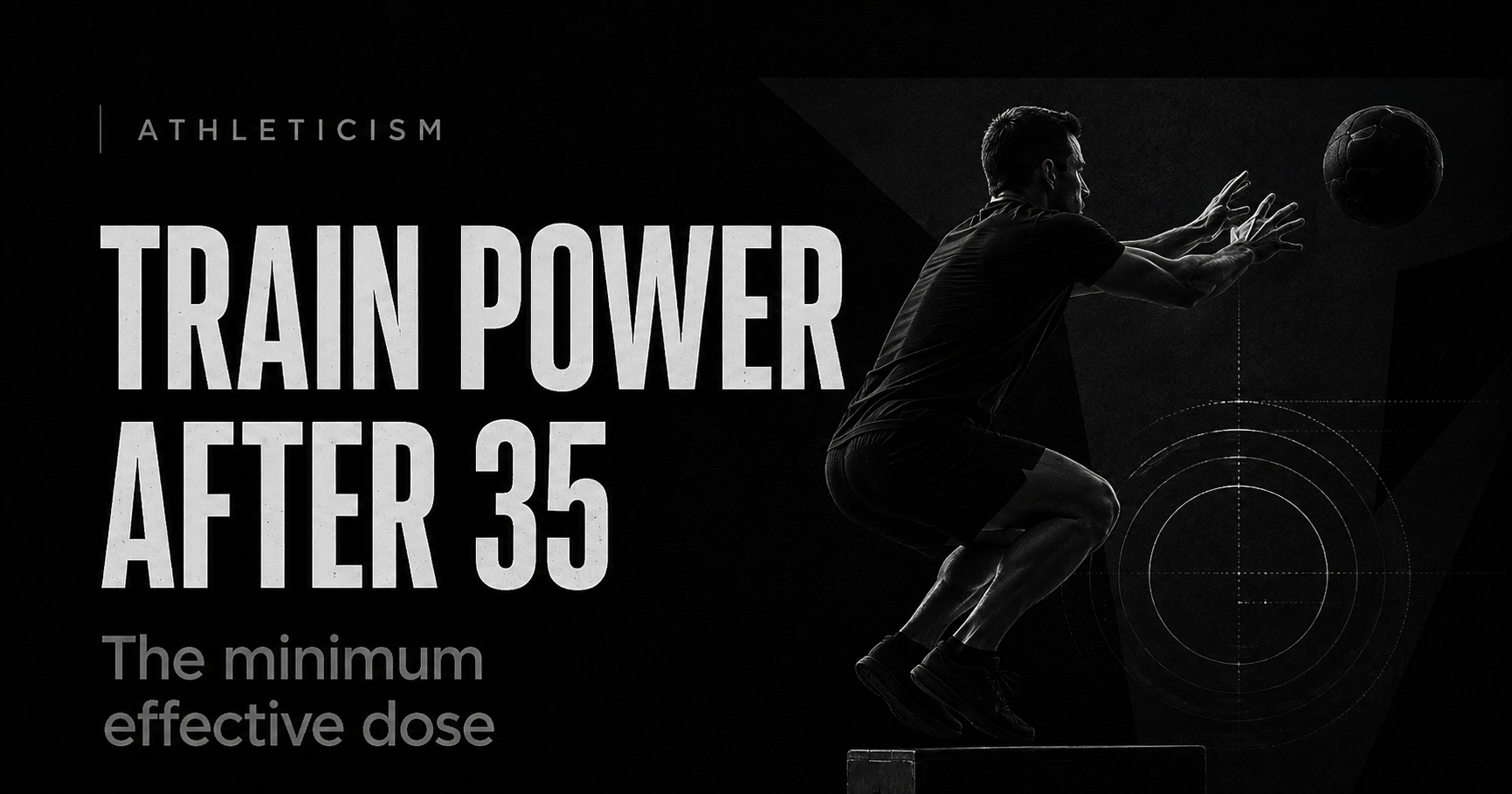
Training power as an adult is small doses of fast, crisp movement done fresh: jumps, throws, short sprints, done first in your session, a few quality reps at a time, never to fatigue.
Read more
For someone whose main goal is strength, the working prescription is two to three easy sessions of thirty to forty five minutes a week, plus one optional short interval session.
Read more
Feeling the muscle, getting a pump, and being sore the next day are the three signals most people use to judge whether an exercise works. None of them is proof.
Read more